
Drakensberg Hiking


The spectacular uKhahlamba Drakensberg Park in KwaZulu-Natal is a World Heritage Site. It offers scenic beauty and is arguably the best hiking area in South Africa. The Drakensberg hiking program allows you to experience wilderness hiking combined with the necessary comforts. You will stay in lodges in the heart of the Drakensberg and venture out each day on various hikes. The 6 day self-guided program allows you to experience the unique features and a selection of popular hikes in the Drakensberg. The services of a guide can be arranged, if required.


Wilderness Hiking in Style
The Drakensberg is arguably the best hiking area in South Africa. The hiking program allows you to experience wilderness hiking combined with comfort. You will stay in lodges nestled in the heart of the Drakensberg, venturing out each day on various hikes. The flexible program is designed to highlight the unique features of the area. The standard program is 6 days, including dinner and breakfast. The services of a guide can be arranged, if required.
Extensive Hiking Trails
The Drakensberg is known as the hiking capital of South Africa, offering a variety of safe and secure mountain walks ranging from comfortable to strenuous. Some of the famous trails include the Cascades, Tugela Gorge walk, Tugela Falls walk, Dorian Falls Walk, Mike's Pass, and Rainbow Gorge.
The Drakensberg Mountains
The Drakensberg Mountains, which rise to 3,000 meters and extend 180 km along the western edge of KwaZulu-Natal, are the highest mountain range in Africa south of Kilimanjaro. The highest peak reaches an altitude of 3,482 meters. The Drakensberg is also home to the world’s second-highest waterfall, Tugela Falls (Thukela Falls), with a total drop of 947 meters. Magnificent views of towering sandstone cliffs, gigantic peaks, hidden valleys, and crystal-clear rivers await.
Flora and Fauna
The Drakensberg Nature Reserve boasts a vast variety of flora due to its 1,500-meter rise from the base, with many plateaus, cliffs, and valleys offering their own unique habitats. A large portion of the park is grasslands, with the lower regions home to protea savannah. The reserve is home to six antelope species, hyrax (klipdassie), baboons, eland herds, mongoose, jackals, and otters, though they are often shy and not easily spotted. The park also hosts 200 bird species, including the Bearded Vulture and the Black Eagle.
Nature Reserve
The 243,000-hectare uKhahlamba Drakensberg Nature Reserve and World Heritage Park are key to preserving this exceptional environment.
Rock Art
The region features about 600 San rock art sites, representing 35,000 individual images, making it one of the highest concentrations of rock art in Africa. The oldest paintings date back to 4,000 years ago, with some more recent works from the 19th century.
Photography & Other Activities
The area’s incredible scenery offers the perfect backdrop for activities such as biking, birdwatching, horse riding, photography, painting, fishing, rock climbing, and swimming in crystal-clear rivers.


What to take
Comfortable, well aerated clothes in keeping with the season. Always bring a thick waterproof windbreaker/jacket, good walking boots/shoes (already worn-in) and several pairs of cotton or wool socks. For your daily needs, you are advised to have a day-bag, a plastic bag to line your day-pack (to protect the contents from rain), rainwear, a sun-hat, sunglasses, sun block, a water bottle, plastic picnic boxes, personal first-aid kit, camera, torch/flashlight and an extra plastic bag for litter, hiking stick, insect repellant.
If you are planning to hike up to the summit plateau the clothing you carry with you should protect you from the weather you are likely to encounter over 3000 m. An anorak made from waterproof breathable fabrics like Goretex will be useful all year round, while in winter layers of thermal underwear, fleece, a woolly hat and gloves should prepare you for sub-zero temperatures.

Browse more experiences
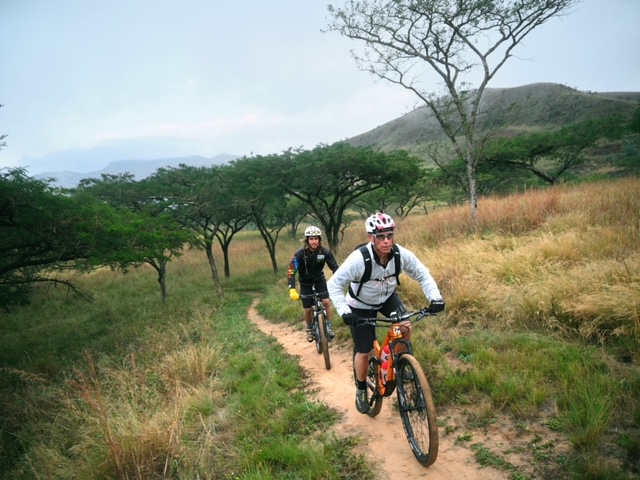


Drakensberg Cycling

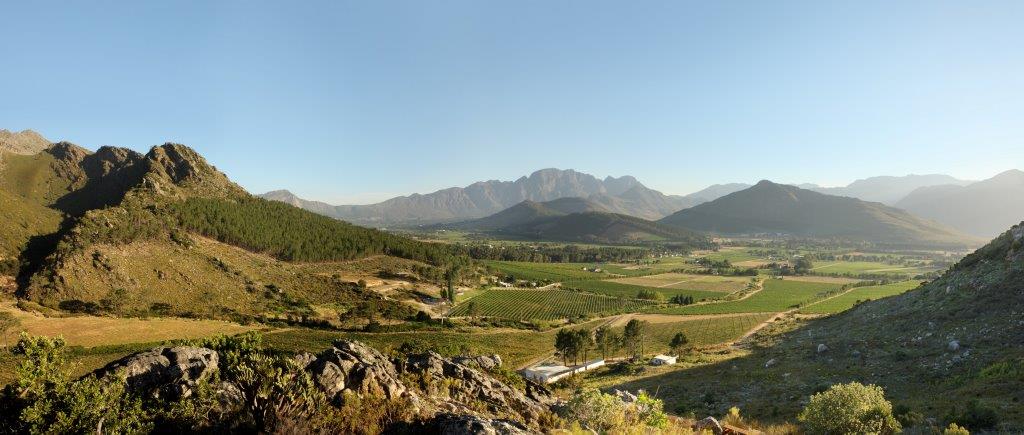
Cape Winelands Cycling


Discover the Winelands