Knysna Forest and Coastal Walks- the best of South Africas Garden Route. Experience the mysterious beauty of the Knysna forest and discover incredible coastal scenes, indigenous plants, birds, animals and geology. The area offers unparalleled scenic beauty, modern infrastructure, upmarket shops and endless adventure options.
Knysna is located in the heart of South Africa's Garden Route, a quaint town nestled on the edge of a vast estuary that flows into the Indian Ocean through two giant sandstone heads. The town offers a picturesque setting with incredible natural beauty and a rich ecosystem.
Knysna Forest
The forest is renowned for its mysterious beauty, featuring giant Outeniqua yellowwood trees, some 800 years old, as well as clear streams, diverse vegetation, and a variety of wildlife. The forest is home to unique species like bushbuck, baboons, vervet monkeys, and a variety of fungi, fynbos, and mushrooms. The trees and wildlife create a magical experience.
Coastline
The Garden Route is known for its stunning coastal scenery, considered one of the most beautiful stretches of coastline in the world. Beautiful beaches and serene lagoons make it a haven for water sports enthusiasts.
Fynbos Plants and Wildlife
Knysna is surrounded by coastal fynbos and diverse bird species, including Cape robins, Cape white-eyes, red-winged starlings, and orange-breasted sunbirds. The area is also home to animals such as Cape grysbok, bushbuck, bush pigs, caracals, mongooses, and otters.
Nature Reserves
Visit the beautiful Robberg and Goukamma Nature Reserves, where you can learn about indigenous plants, animals, and the fascinating geology of the area while enjoying breathtaking views of the coastline.
Views
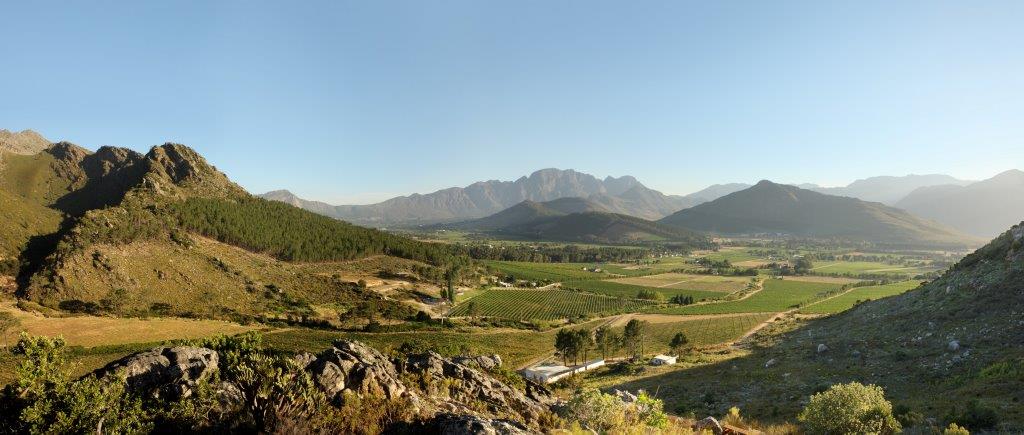
Knysna offers magnificent views of the Tsitsikamma and Outeniqua mountains, as well as the stunning Garden Route coastline.
Accommodation and Restaurants
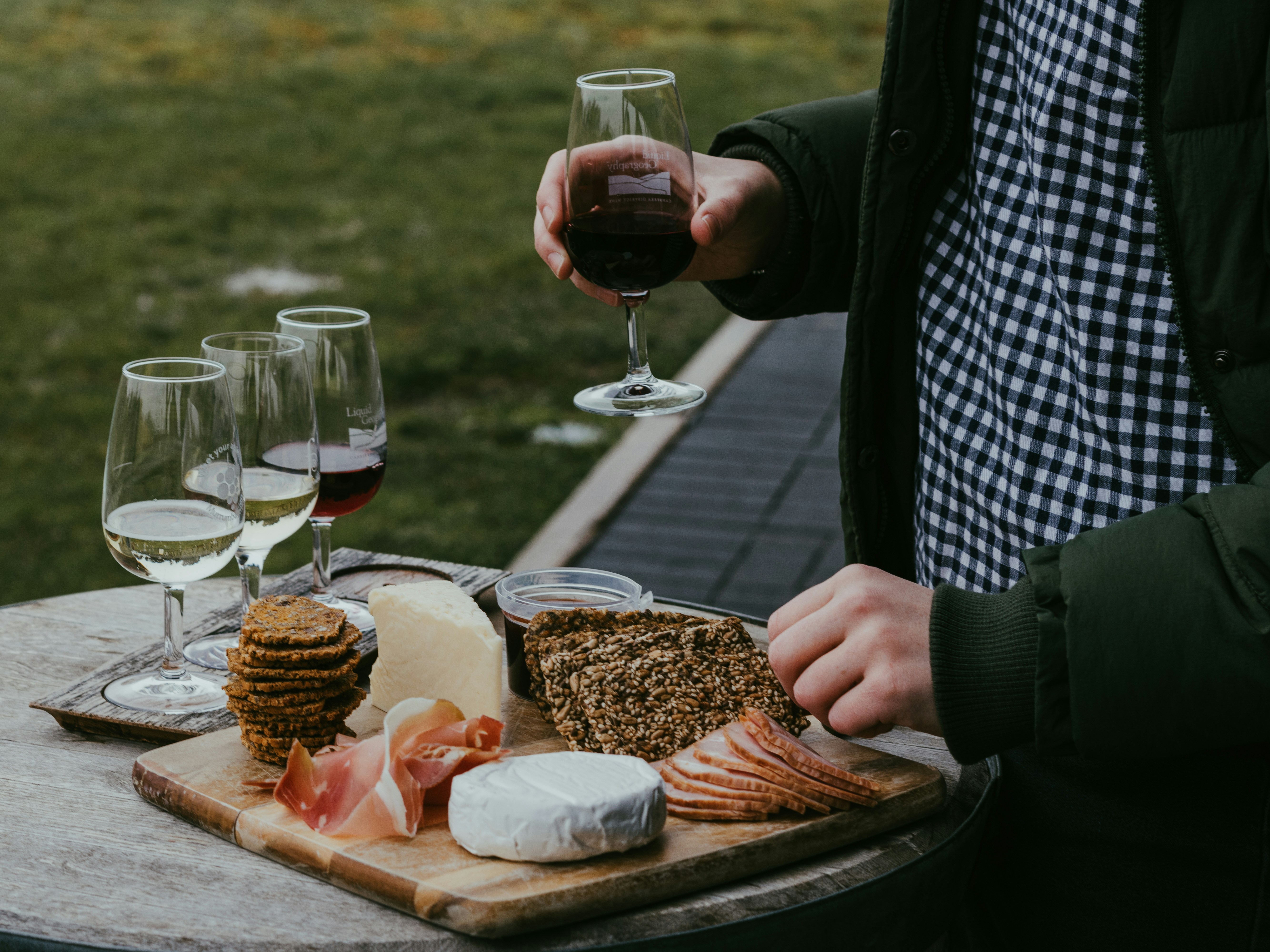
The town offers a variety of accommodation options, including 4-star hotels and guesthouses, as well as a range of restaurants and bars to suit all tastes.
Interesting Town
Knysna is a cosmopolitan town that retains a vibrant atmosphere with a variety of shops, markets, boutiques, and art galleries. The local arts scene adds to its unique charm.
Other Activities
Knysna is an outdoor enthusiast's paradise, offering activities like golf, canoeing, cycling, and more. It’s the perfect base for exploring the stunning natural beauty of the Garden Route.
Arrival in Knysna for overnight.
The Elephant Walk is in the heart of the Knysna forests. It is home to the Knysna Elephants, but the chances of seeing these animals are very slim. Even if you do not see them, the giant forest trees will enchant you. The hiking trail is ideal for anyone who wants a real forest experience with all the forest birds, the variety of fungi, fynbos, mushrooms, bushbuck, baboons and monkeys playing in the treetops. If you are lucky, you may even spot the elusive Knysna Loerie.
Note the Stinkwood trees that fall over and keep growing and the Outeniqua yellowwood trees. There are eight giant trees, some 800 years old. King Edward VII Tree is a well known example.The hiking area offers a number of trail options ranging from 7 km to 20 km. The short routes are fairly easy and require only moderate fitness. The hiking trail is in a picturesque setting with clear streams, vegetation, trees and animals that make the mysterious beauty of the forest a unique experience.This is the ideal environment for tree lovers.
Distance: 15 km (5 hours; Option to choose 7, 8 or 9km or to increase the distance to 20km)
This circular route is along the Robberg Peninsula, which is both a nature reserve and a national monument. It offers incredible coastal views of Plettenberg Bay, along with interesting geological and archaeological features, an intertidal zone, a large seal colony, seabirds, and diverse wildlife.
The hike begins with a climb up a steep rocky slope to "The Point," located on the north side of Robberg, before returning along the southern coastline to "The Gap".
The Nelson Bay Cave on the peninsula was first occupied 120,000 years ago. Hundreds of seals can be seen on the rocks at Grasnek, where you’ll likely hear them barking before spotting them. Keep an eye out for Dassies hiding under the rocks, along with other animals such as Cape grysbok, duiker, and bushbuck. Cape clawless otters and mongooses are sometimes seen.
Robberg is an ideal vantage point for spotting dolphins, penguins, and, in season, whales.
There are numerous bird species in the area, including Cape robins, Cape white-eyes, red-winged starlings, and orange-breasted sunbirds. Enjoy breathtaking views of the majestic Tsitsikamma Mountains and watch swift terns and kelp gulls at "The Point".
The magnificent fynbos and rocks dating back to the early Cretaceous period (130 - 110 million years ago) make this an extremely pleasant hiking trail with spectacular coastal scenery.
The hike is moderately strenuous, taking about 4 hours over a distance of 11 km. There are also two shorter route options of 2 km and 5 km.
Hiking in the reserve offers diversity:
You will encounter a variety of bird life and animal species, such as bushbuck, bush pigs, caracals, mongoose, and otters.
The trail is an easy circular walk and starts by crossing the river in a small boat. You will then walk through a beautiful dune forest to the top of the dunes for 360-degree views of:
Note the fynbos growing on this extensive dune field, one of the highest vegetated dunes in South Africa. In the fall, the scent of Buchu flowers fills the air. Other times of the year, a multitude of flowering plants, especially in September and October, add color.
From July to December, Southern right whales can be seen near the shore. Other animals include Cape grysbok, bushbuck, bush pigs, monkeys, caracals, and otters.
Listen for the characteristic cry of the African fish eagle or the excited chatter of black oystercatchers on the beach. A Knysna turaco in flight is a special sight.
It is an easy coastal walk with fantastic scenery.
Distance: 8 km (3 hours; Option to choose 13 km or 15 km)
The published rate is an indicative price. It will be confirmed on request. The following pricing factors will be considered: standard or superior accommodation, room sharing or single, group size, extra nights, transfers, guiding and other services. A minimum of 2 people per group. Twenty percent deposit and the balance 6 weeks before trip.
Yes. Navigation is straightforward with the recommended mobile app which has a map, trail summary and navigation functionality. Simply follow our Wikiloc installation instructions which will be provided with your Trip Information pack. Download the country map for offline use and follow the route on your phone with the assurance that navigation will be simple, and you’ll find your way. Local towns are usually signposted. Sections of the trail can be featureless and without directions but you will have electronic support.
We recommend that you arrange appropriate holiday insurance covering you against illness, injury, and loss or damage to luggage. This insurance should also cover the possibility of you having to cancel your holiday for whatever reason.
Can be considered if vacancy exists. If you require a single room, a single supplement will be quoted.
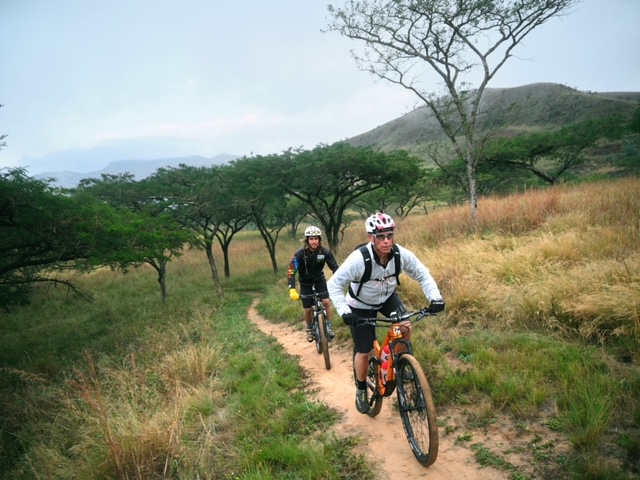
You will need a good quality mountain bike and your normal mountain biking gear for a day ride with perhaps some extra warm layers if the weather is cold. Your Trip information pack has a detailed equipment list which includes standard cycling gear.
The itinerary is designed to be enjoyable for a regular rider. If you currently don’t enjoy that level of fitness, then regular mountain biking supplemented by cardiovascular exercise for at least six months before your trip is recommended. Keep in mind the daily distances and changes in elevation in your daily itinerary. A good gym or personal trainer will be able to draw up a personalised training programme.
You can use local taxis to continue to your next overnight stop. Contact your Route Manager for advice and assistance.
Please be prepared by packing all necessary items, for example, proper rain gear (jacket and pants), sun hat, sunscreen. Your Trip Information pack has a detailed equipment list which includes standard walking gear such as good walking boots or shoes, warm and waterproof clothes for the cooler months and lightweight clothing for summer, and a day pack.
Travel insurance is compulsory. It is required to cover cancellations, personal effects, personal accidents, medical and emergency travel expenses.
Our bookings are generally private groups. You can book a guide for an exclusive trip.
What to take
Comfortable, well aerated clothes in keeping with the season. Always bring a pullover / windbreaker, good walking boots (already worn-in) and several pairs of cotton or wool socks. For your daily needs, you are advised to have a day-bag, a plastic bag to line your day-pack (to protect the contents from rain), rainwear, a sun-hat, sunglasses, sun block, a water bottle, plastic picnic boxes (for transporting your lunches), first-aid kit , camera and film, torch/flashlight and an extra plastic bag for litter.