
Shipwreck Cycling


Shipwreck cycling is a 4- day self guided cycling tour exploring the the southern tip of Africa where the Atlantic and Indian Oceans meet. The route covers interesting villages with friendly people, unspoilt nature, unique fynbos and birds, stunning views and an interesting history of shipwrecks, fishermen and Khoikoi beach nomads.


Shipwreck cycling
Takes place in the southern Overberg region of the Western Cape, South Africa, along scenic country roads and through charming villages. This unique route takes you to the tip of the African continent, where the Indian and Atlantic Oceans meet. The region is known for its rugged, windswept coastal plains, which offer striking geographical features and a rich natural and cultural heritage.
Villages
The route begins in the town of Bredasdorp, and continues through historical villages such as Arniston, Struisbaai, L'Agulhas, and Elim. These quaint towns are filled with charm and history, making them perfect stops along the journey.
Shipwrecks
The coastline is infamous for shipwrecks, and many streets and businesses in Cape Agulhas are named after ill-fated ships. Notable shipwrecks include the Meisho Maru, St Mungo, Brederode, Nossa Senhora dos Milagros, Juno, and Martha. Over the years, some 250 ships have met their demise along this stretch of coastline. Visitors can learn about the region’s maritime history at the Shipwreck Museum in Bredasdorp and explore the Old Lighthouse at L'Agulhas.
Coast and Plains
The cycling route takes you inland through a variety of landscapes, including sand plains, farmland, vineyards, wetlands, and dunes, while also passing along the rugged and beautiful coastline. The diverse scenery makes for a scenic and varied cycling experience.
National Park
Explore the Cape Agulhas National Park, which spans about 21,000 hectares. The park is home to over 9,000 species of flowering plants and supports a rich marine and intertidal life, including breeding sites for rare birds like the African Black Oystercatcher. The park features splendid examples of lowland fynbos and fynbos on limestone soils, both of which are endangered and primarily found in the southern Overberg.
Flora
The Overberg region is part of the smallest plant kingdom in the world, yet it boasts the greatest diversity of species. Of the 9,000 species found here, many are endemic to the area. The Strandveld Agulhas Plain is especially unique, with international conservation significance due to its rich biodiversity. The Cape Floral Kingdom is dominated by fynbos and renosterveld vegetation. Notably, 80% of the world's 800 Erica species grow within this kingdom. Some fascinating plants in the area include the mountain bluebell, the flame red Bredasdorp lily, the granny bonnet, and the Cape everlasting.
Views
The route offers stunning views, from beautiful beaches and pebble bays to rock pools. It’s also an excellent destination for whale watching between September and November.
History
L'Agulhas is home to South Africa’s second-oldest working lighthouse, built in 1848. Other historical highlights include the 200-year-old fishermen's village at Kassiesbaai and the fishermen’s cottages at Hotagterklip. Visitors can also explore ancient fish traps and other historical remnants left by the Khoikhoi beach nomads, who lived along this coastline for centuries, adding to the area’s fascinating cultural and historical legacy.


What to take
Wearing a helmet while cycling is mandatory and bicycles need to be equipped with basic repair kit. These items can be provided with bicycles rented via us. Bring your own if you prefer so. If you decide to bring your own, a MTB is the best choice (not a road bike or hybrid).
It is important to be comfortable when cycling. The best is to wear thin layers of clothing. Fast drying and hard-wearing synthetic fabrics are ideal as a base layer. These allow your skin to breathe and wick the moisture away from your skin to the next layer, avoiding the chill which cotton T-shirts can cause. A thin fleece or sweatshirt is ideal as the next layer. Also take a lightweight waterproof jacket (breathable and windproof material is best). Sport shoes are fine for cycling and for when you stop off to visit places on foot. For your daily needs, you are advised to have a day-bag, a plastic bag to line your day-pack (to protect the contents from rain), sunglasses, sun block, a water bottle, plastic picnic box (for transporting lunches), first-aid kit, camera, an extra plastic bag for litter and a mobile phone. Make sure that you are aware of exactly where water can be found each day and note that mobile phone is not available in some areas. Consult your Route Manager.

Browse more experiences
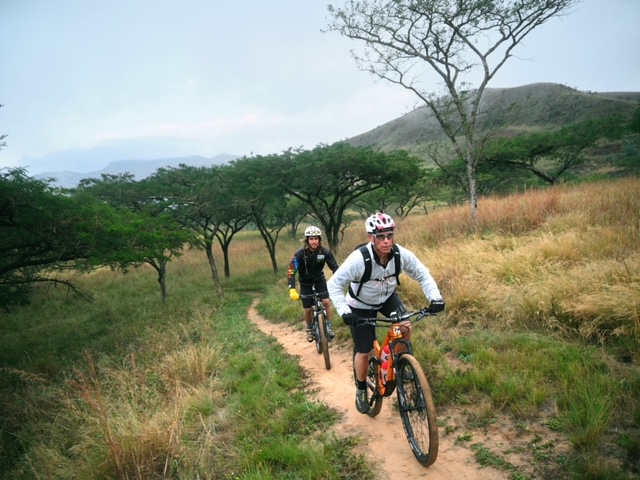


Drakensberg Cycling

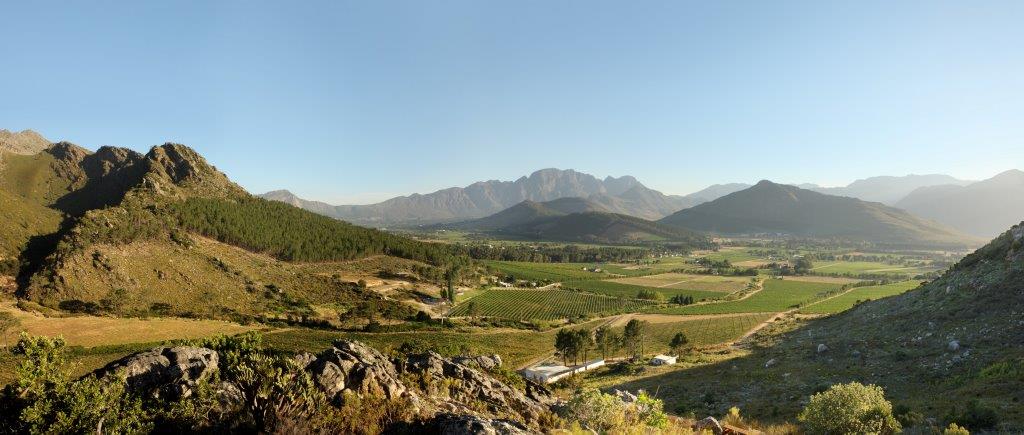
Cape Winelands Cycling
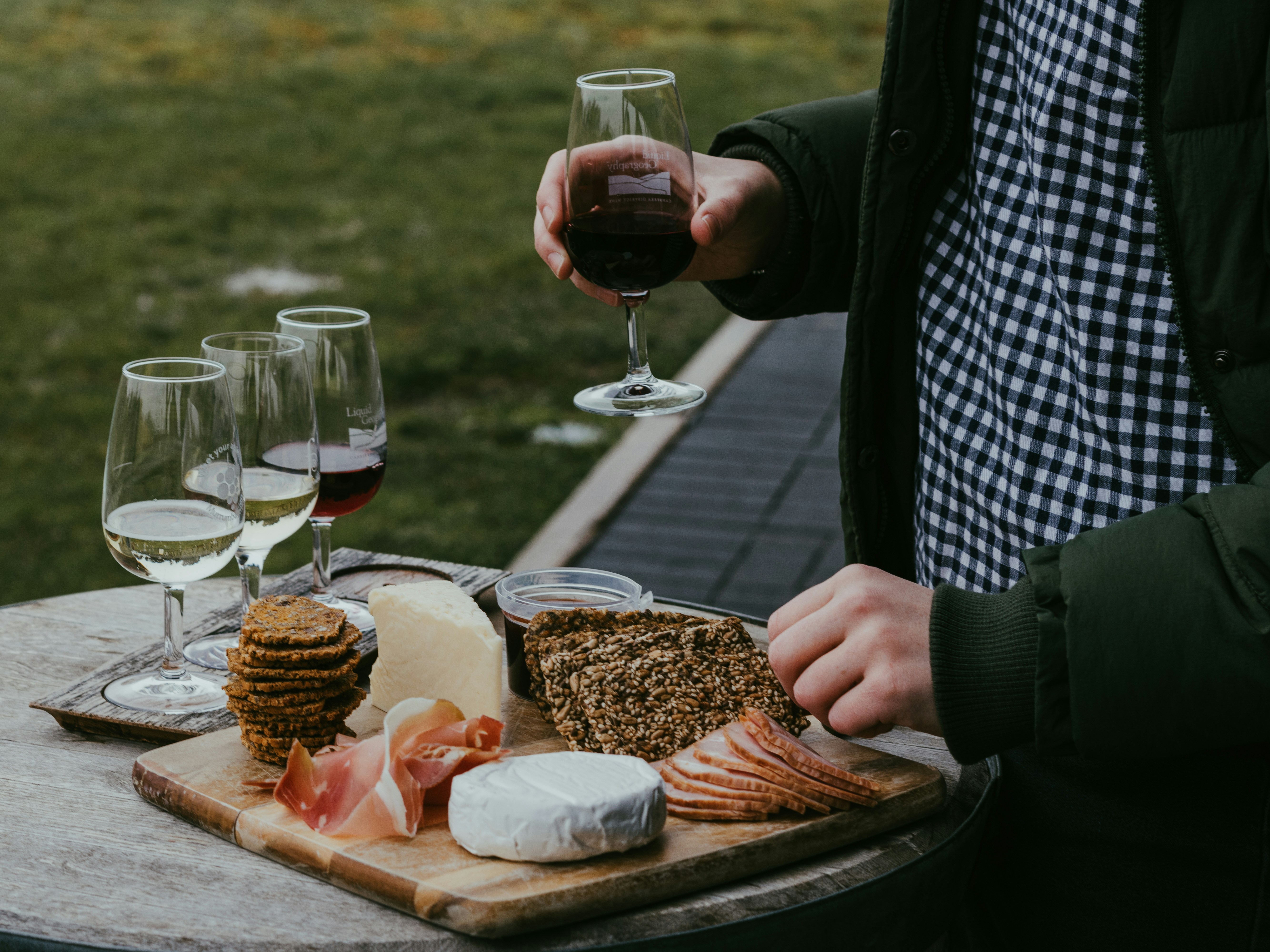

Discover the Winelands