
Southernmost Cycling


The Southernmost cycling holiday is a 7 day Bikepacking tour exploring the Agulhas Plain at the southern tip of Africa where the Atlantic and Indian Oceans meet. The route covers interesting villages with friendly, unassuming people, unspoilt nature, unique fynbos and birds, stunning views and an interesting history of shipwrecks, fishermen and Khoikoi beach nomads.


Overview
The Southernmost cycling holiday is set in the Agulhas Plain, located in the southern Overberg (Over the Mountain) region of the Western Cape, South Africa. The route travels along country roads through farmland, nature reserves, and charming villages at the tip of the African continent, where the Indian and Atlantic Oceans meet. This rugged, windswept coastal plain is geographically striking, with a rich natural and cultural heritage.
Villages
Explore charming historical villages such as Stanford, Napier, Elim, and Agulhas.
Coast and plains
Ride along a rocky, ruggedly beautiful coast and through inland sand plains, farmland, vineyards, wetlands, and dunes.
National Park
Experience Cape Agulhas National Park, which covers about 21,000 hectares. It is home to more than 9,000 species of flowering plants and a coastline that supports rich marine and intertidal life, including breeding sites for rare birds such as the African Black Oystercatcher. The park showcases splendid examples of lowland fynbos, particularly those growing on limestone soils – an endangered ecosystem largely restricted to the southern Overberg.
Flora
The Overberg area is the smallest plant kingdom in the world with the highest diversity of species. Of the nine thousand species, some are endemic to this region. The Strandveld of the Agulhas Plain is internationally significant for its rich biodiversity. The Cape Floral Kingdom consists mostly of fynbos and renosterveld, including notable species such as the mountain bluebell, the flame-red Bredasdorp lily, the granny bonnet, and the Cape everlasting.
Views
Enjoy stunning views, beautiful beaches, pebble bays, and rock pools, with opportunities for whale watching from September to November.
Conservation
The Nuwejaars Wetland Special Management Area (SMA) is a conservation initiative by 25 private landowners and local communities, jointly managing 46,000 hectares of often critically endangered habitat on the Agulhas Plain. The project focuses on biodiversity and wetland conservation, promoting sustainable farming practices. Notably, buffalo have been reintroduced to the Agulhas Plain for the first time in over 200 years, with their numbers steadily increasing. This collaboration between landowners and communities is the first of its kind in South Africa, and UNESCO has shown interest in this SMA as a model for its Man and the Biosphere programme.
Shipwrecks
The coastline around Agulhas is renowned for its shipwrecks, with streets and businesses bearing the names of ill-fated vessels such as the Meisho Maru, St Mungo, Brederode, Nossa Senhora dos Milagros, Juno, and Martha. Over time, approximately 250 ships have been wrecked along this coastline.
History
Cape Agulhas is home to South Africa's second-oldest working lighthouse, built in 1848 at L'Agulhas. Historical features also include the 200-year-old fishing village of Kassiesbaai and traditional fisherman’s cottages at Hotagterklip. Visitors can explore fish traps and other cultural artifacts left by the Khoikhoi beach nomads who lived along this coastline for centuries.


What to take
Wearing a helmet while cycling is mandatory and bicycles need to be equipped with basic repair kit. These items can be provided with bicycles rented via us. Bring your own if you prefer so. If you decide to bring your own, a MTB is the best choice (not a road bike or hybrid). GPS and/or cellphone and maps for navigation.
Wear thin layers of clothing. Fast drying and hard-wearing synthetic fabrics are ideal as a base layer. A thin fleece or sweatshirt is ideal as the next layer. Also take a lightweight waterproof jacket (breathable and windproof material is best). Sport shoes are fine for cycling and for when you stop off to visit places on foot. For your daily needs, you are advised to have a day-bag, a plastic bag to line your day-pack (to protect the contents from rain), sunglasses, sun block, a water bottle, plastic picnic box (for transporting lunches), first-aid kit, an extra plastic bag for litter.

Browse more experiences
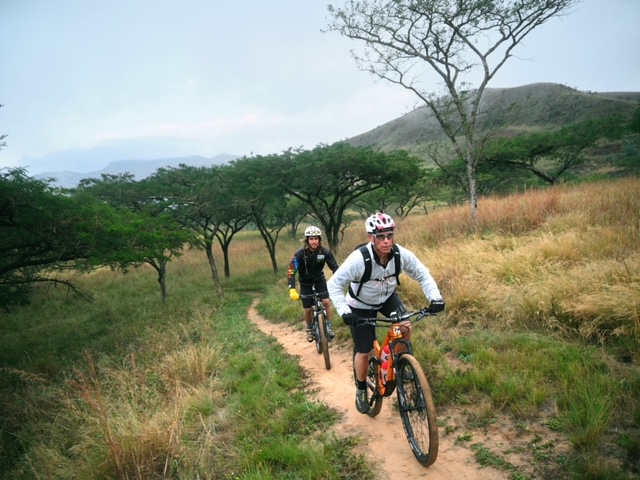


Drakensberg Cycling

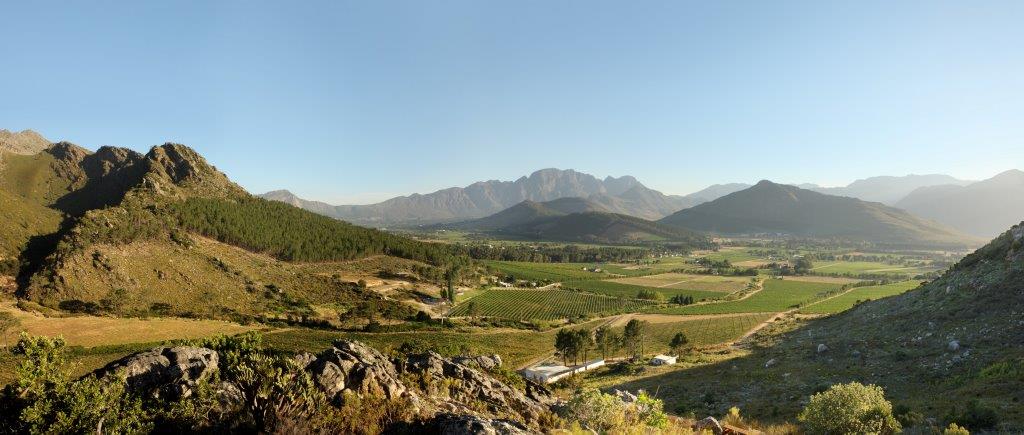
Cape Winelands Cycling
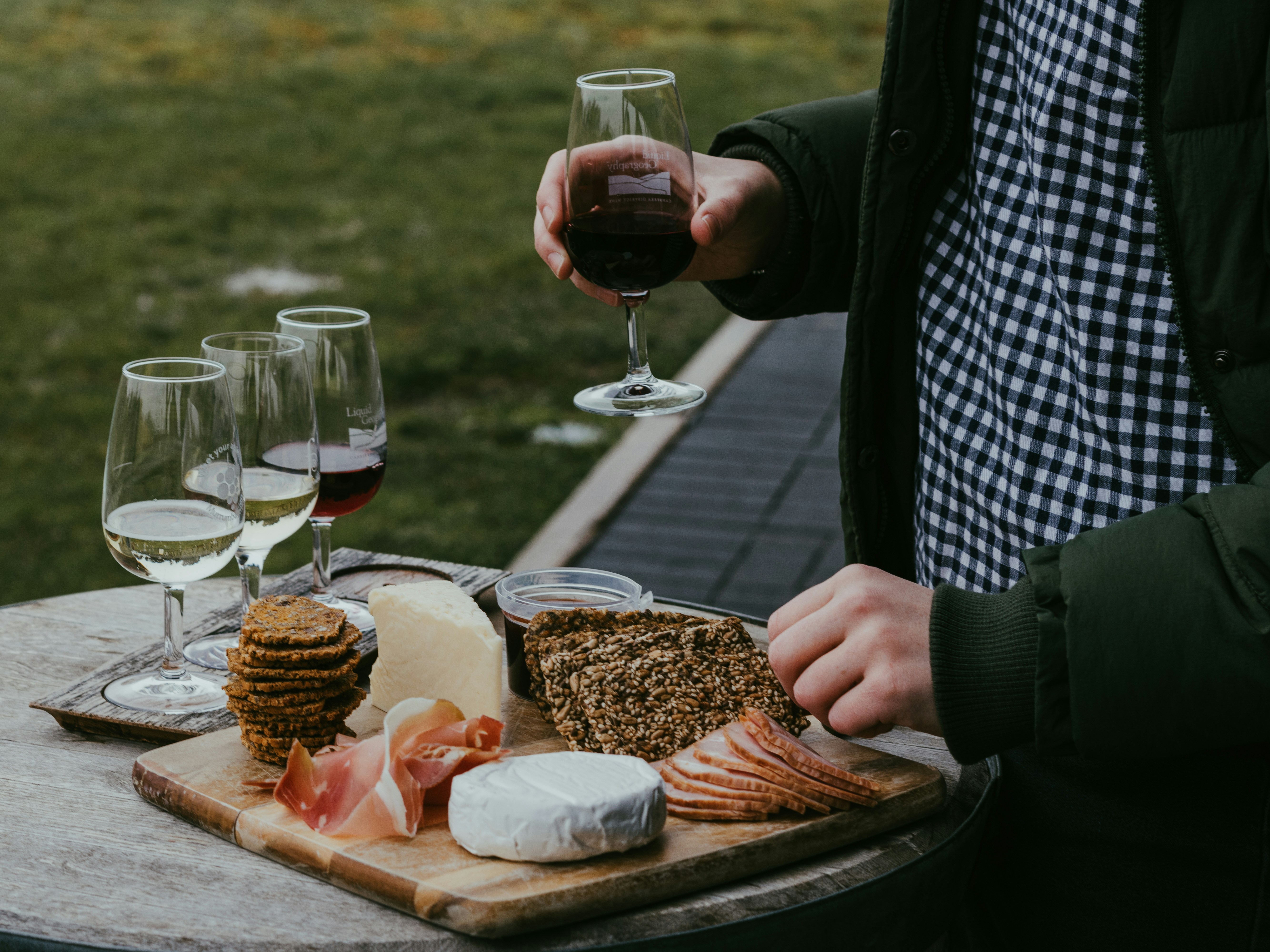

Discover the Winelands