
Whale Coast Walk


De Hoop Nature Reserve- 40 square kilometres park with a large diversity in marine and land animals, birdlife and vegetation. Whale watching June to December. Fynbos plants and wildlife De Hoop Vlei (17 km long) with a highly productive ecosystem.
Activities such as a scenic nature drive, an eco boat tour an interpretative marine walk, a vulture experience and a guided bird walk or mountain biking. Range of accommodation options and restaurant.


De Hoop Nature Reserve
Positioned on the Western Cape's coastline and extending 340 square kilometres, De Hoop is one of the largest areas managed by Cape Nature, and one of few parks to boast such a large diversity in marine and land animals, birdlife, and vegetation! De Hoop coast is a marine reserve which extends 3 kilometres out to sea.
Few other reserves offer as complete an outdoor experience as De Hoop: sea, sand dunes, the vlei, a floral sensation of rare fynbos plants, diverse antelope, and the Potberg Mountains. Birders observe wading birds on the shores of the vlei, while the Potberg Mountains are home to a colony of endangered Cape vultures. Hikers and cyclists have close-up encounters with bontebok, Cape mountain zebra, eland, baboons, and ostrich.
Whale watching
The De Hoop Marine Reserve is one of the world's most important calving grounds for the southern right whale and an important nursery area for depleted angling fish species.
Every year, some 40% of the world's southern right whales come to these shores to breed. Females and their calves swim in the clear waters, while males put on spectacular displays. These endangered mammals ensure that the De Hoop Reserve in South Africa is one of the world's best land-based whale-watching areas.
As a marine reserve and World Heritage Site, De Hoop guarantees a safe nursery for these pods of visiting cetaceans. They come so close to the shore that visitors can relax on the unspoilt sand dunes, watching in awe as these beautiful creatures calve, blow, breach, and belly-flop. The whale season is from June to December.
Fynbos plants and wildlife
The diversity of 1,500 plant species is amongst the highest in the Cape Floristic Region, with a large percentage of rare, threatened, and endemic species. Fynbos is the dominant vegetation group and is largely confined to nutrient-poor soils in the winter rainfall areas of the Western Cape.
It is adapted to fire and drought and is defined by four growth forms:
- Proteas: tall shrubs with large leaves
- Ericas: heath-like shrubs
- Restios: wiry, reed-like plants which are always present in fynbos
- Geophytes: bulbs that store moisture in fleshy underground organs
The discerning visitor is privileged to walk or ride amongst pristine fynbos vegetation and view the flowering plants at close quarters. The invertebrate animal wealth is equally diverse. The reserve has 86 mammal species. A safe refuge is provided for rare mammals such as the Bontebok and Cape Mountain Zebra, smaller predators, and various bat species.
Approximately 260 bird species have been recorded, including the rare Damara and Caspian terns, the vulnerable Cape vulture, and Stanley's bustard.
De Hoop Vlei
The De Hoop Vlei is 17 km long and a highly productive ecosystem; a Ramsar site of international ecological importance where aquatic birds and other organisms breed and feed undisturbed. Many of the 260 bird species which occur at De Hoop can be seen here.
The vlei boasts several pairs of African fish eagles. Their high-pitched call, the voice of Africa, contributes to the wild charm of the area. The area is a safe shelter for twelve waterfowl species during the dry summer months.
As many as 13 species of migrant waders, including curlew sandpipers, ruffs, little stints, whiskered, and white-winged terns, visit the vlei in summer, when the water level drops and the mud flats are exposed.
Activities
Activities in De Hoop Reserve are diverse. In addition to hiking along selected trails, your program includes a scenic nature drive, an eco boat tour, and interpretative marine walk. Other options are a vulture experience, a guided bird walk, or mountain biking. Relaxing on the beach and snorkeling in the many turquoise rock pools is simply another way to pass a rewarding day.
Accommodation and restaurants
3 nights at De Hoop Nature Reserve in a cottage or suite - wide range of accommodation. Restaurant open daily.


What to take
Comfortable, well aerated clothes in keeping with the season. Always bring a pullover, windbreaker, good walking boots (already worn-in) and several pairs of cotton or woollen socks. For your daily needs you are advised to have a day-bag, a plastic bag to line your day-pack (to protect the contents from rain), rainwear, a sun-hat, sunglasses, sun block, a water bottle, plastic picnic boxes (for transporting your lunches), first-aid kit , camera and film, torch/flashlight and an extra plastic bag for litter.

Browse more experiences
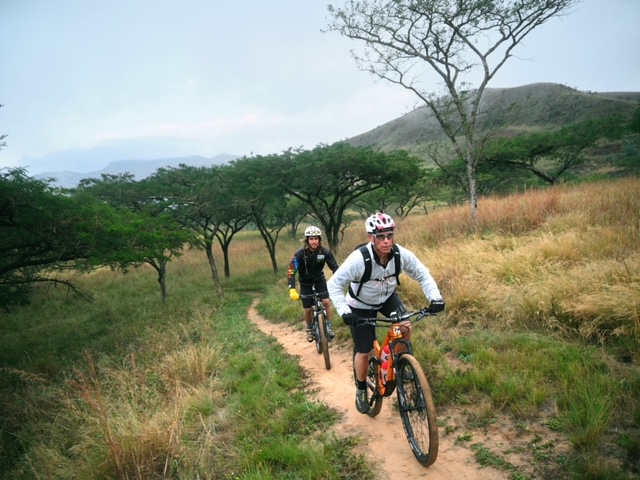


Drakensberg Cycling

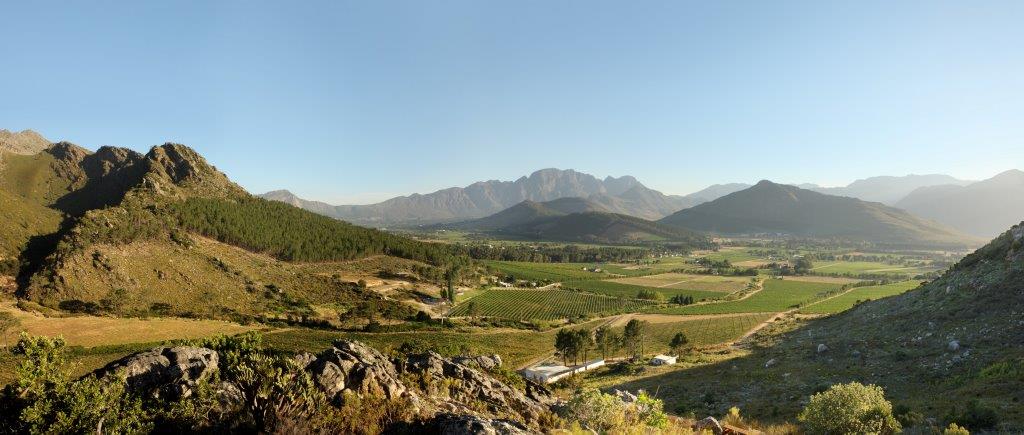
Cape Winelands Cycling
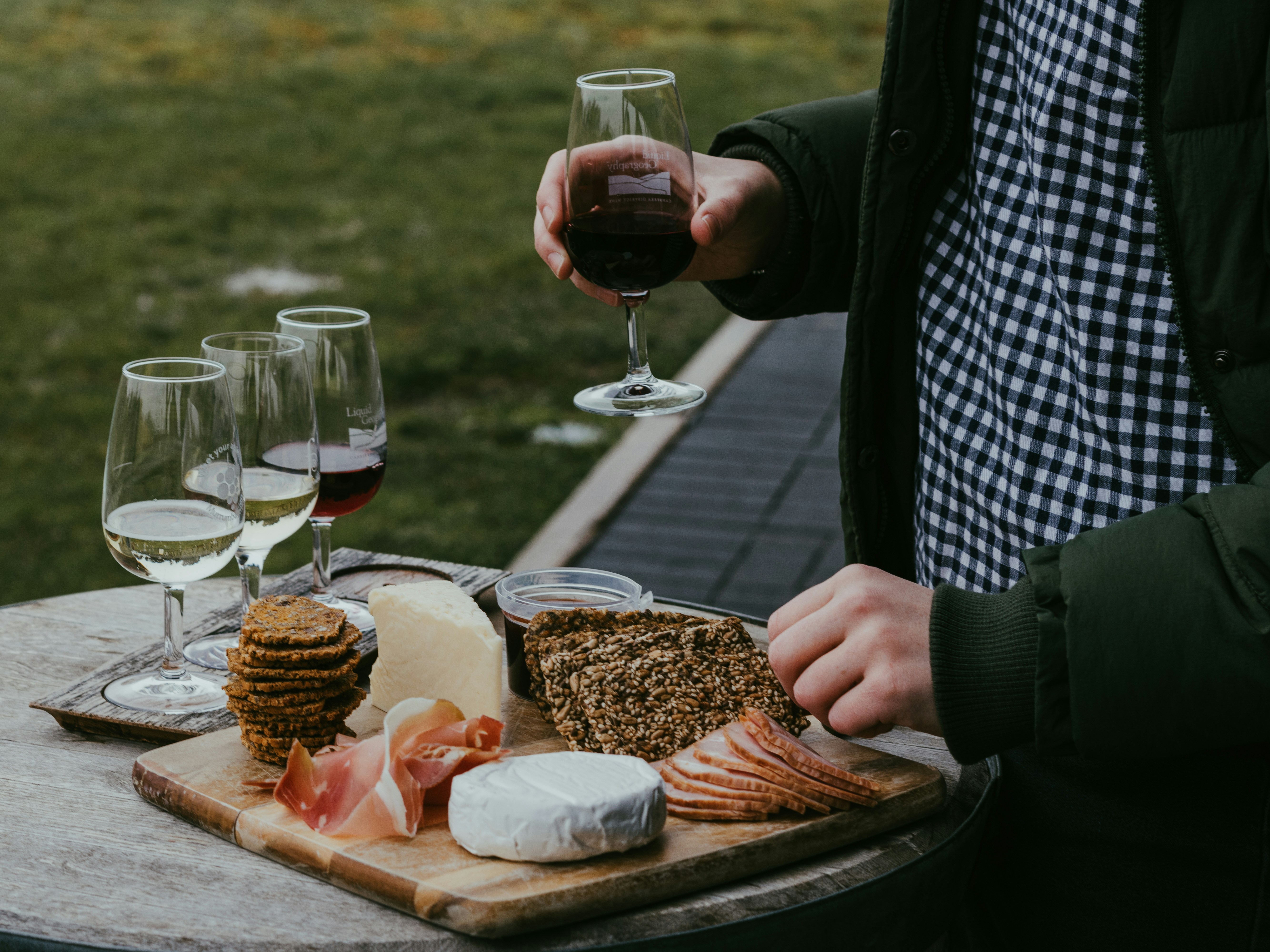

Discover the Winelands